
SOUTH AMERICA Destination guide
Brazil, landscapes with their own rhythm
Between mountain and sea, a city finds its form, while complex histories lie behind colourful façades. Brazil asks for more than a postcard: a choice of regions, sound context and time to notice their differences.
Explore the guideAT A GLANCE
Why discover Brazil?
Brazil rewards exploration through distinct cultural and natural regions: Rio de Janeiro reveals connections between city, hills and coast; Salvador opens the history of cultural encounters and conflicts; and Iguaçu shows the power of waterfalls within a forest ecosystem. [1][2][3] None represents the whole country. Begin planning with a main interest, then check actual connections between bases and visiting conditions. This guide offers context without confirming departures, prices or availability of a particular activity.
01 / PLACES THAT SHAPE THE JOURNEY
What to see in Brazil
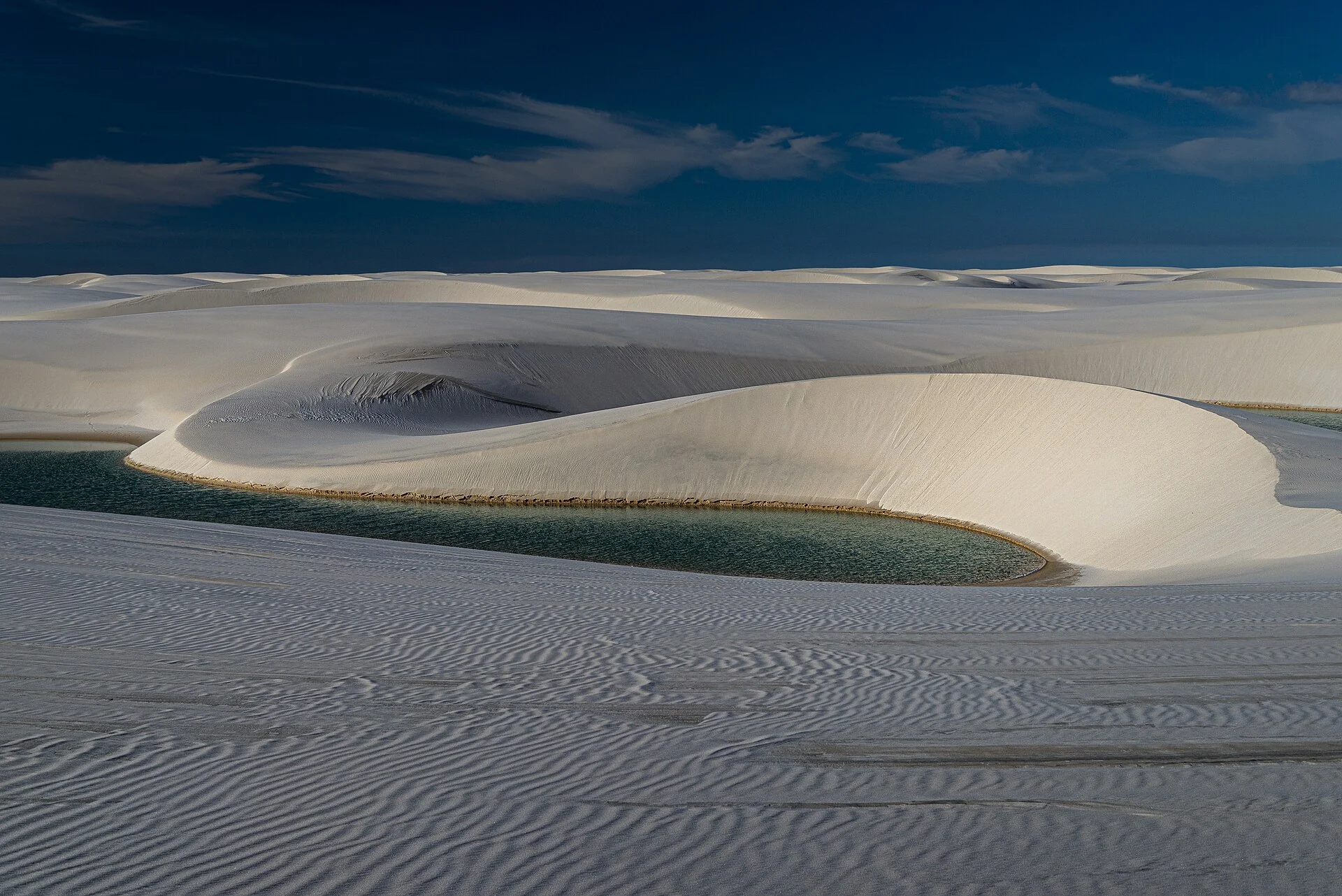
Do not turn one route into a survey of everything Brazil offers. City attractions, historic centres and natural parks require different pacing, preparation and guiding. Distinguish a sightseeing day from one spent arriving. If adding another region, ask what you omit and how many extra transfers you introduce. Time for conversation, rest and changes is not a gap in a programme. It keeps a visit meaningful rather than a series of hurried arrivals at famous points.
URBAN AND NATURAL LANDSCAPE
Rio de Janeiro: a city between hills and bay
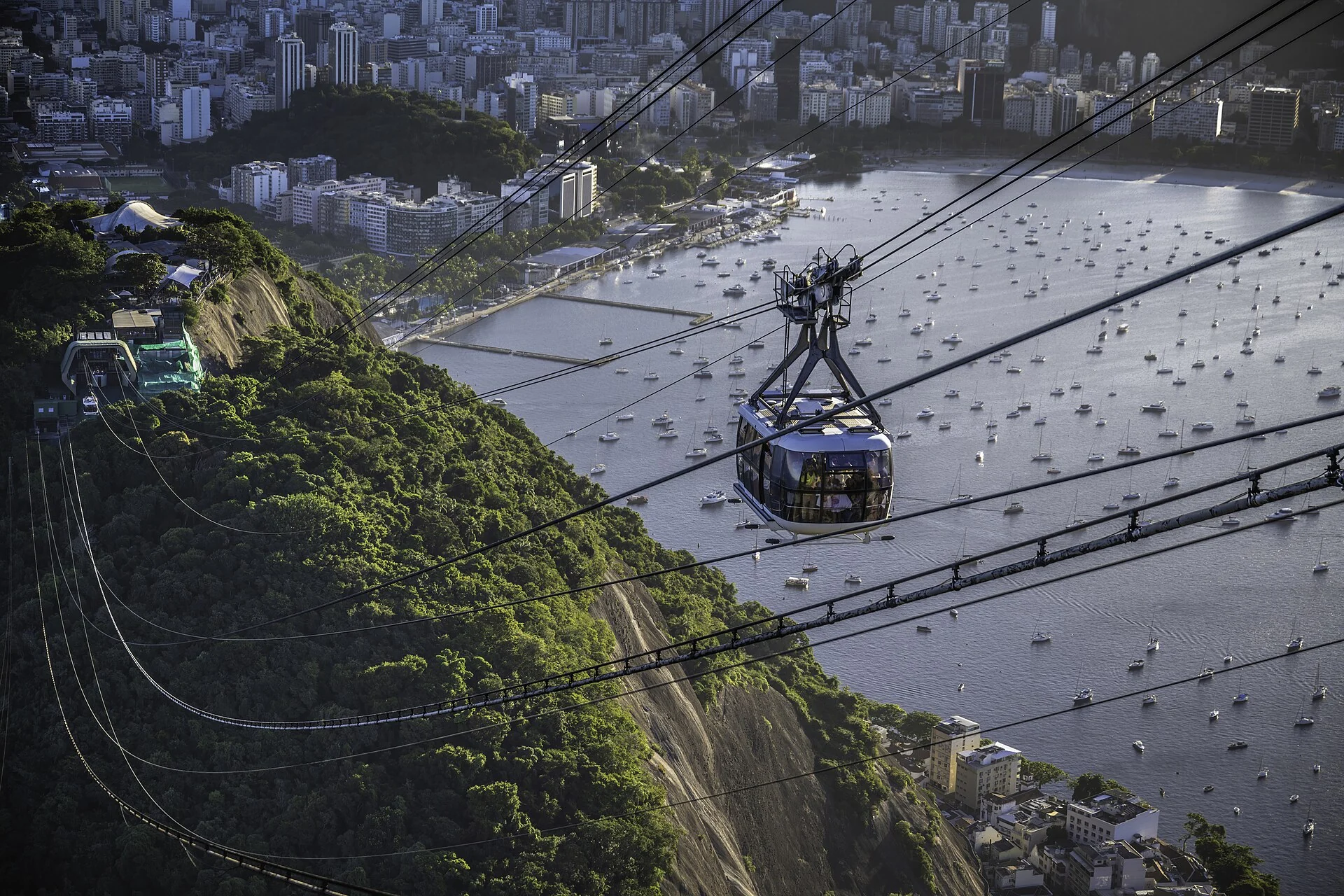
In Rio, UNESCO recognises connections between the natural setting and urban development: the Tijuca mountains, hills around Guanabara Bay and designed coastal spaces. [1] A view from above can introduce the city’s form. Notice how buildings, greenery and water connect, not only where a famous monument stands. A cable car and viewpoint offer a different perspective from a coastal walk; no single image explains every way residents use that space.
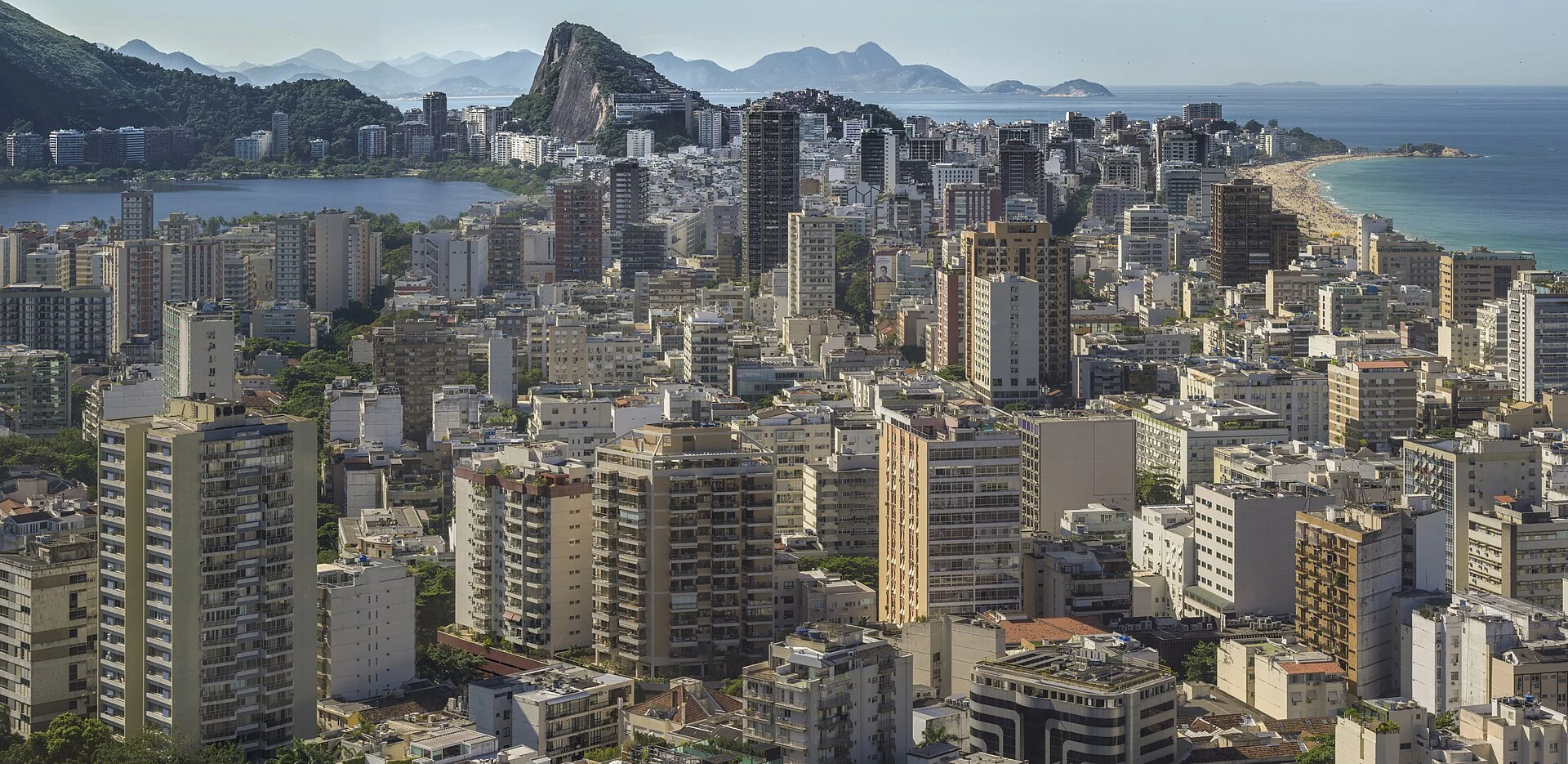
Choose a few connected activities for a city day and check reliable transport between them. Mountain views depend on conditions, so leave flexibility if visibility disappoints. A beach walk is not the same as entering the sea: local warnings, supervision and actual water conditions need separate checks. Seek expert guiding and a fresh safety assessment for unfamiliar trails and more remote approaches. Proximity to a popular attraction does not guarantee every surrounding area is suitable for independent movement.
COLONIAL AND AFRO-BRAZILIAN HERITAGE
Salvador: colourful façades and the weight of history
Salvador was Brazil’s first capital, from 1549 to 1763. UNESCO connects its heritage with European, African and Indigenous cultures, but also with the trade in enslaved people and the plantation economy. [2] The historic centre should therefore not be presented only through bright colours. Alongside architecture and decoration, seek a serious explanation of the society that created them, the labour underpinning wealth and how the past is remembered today.
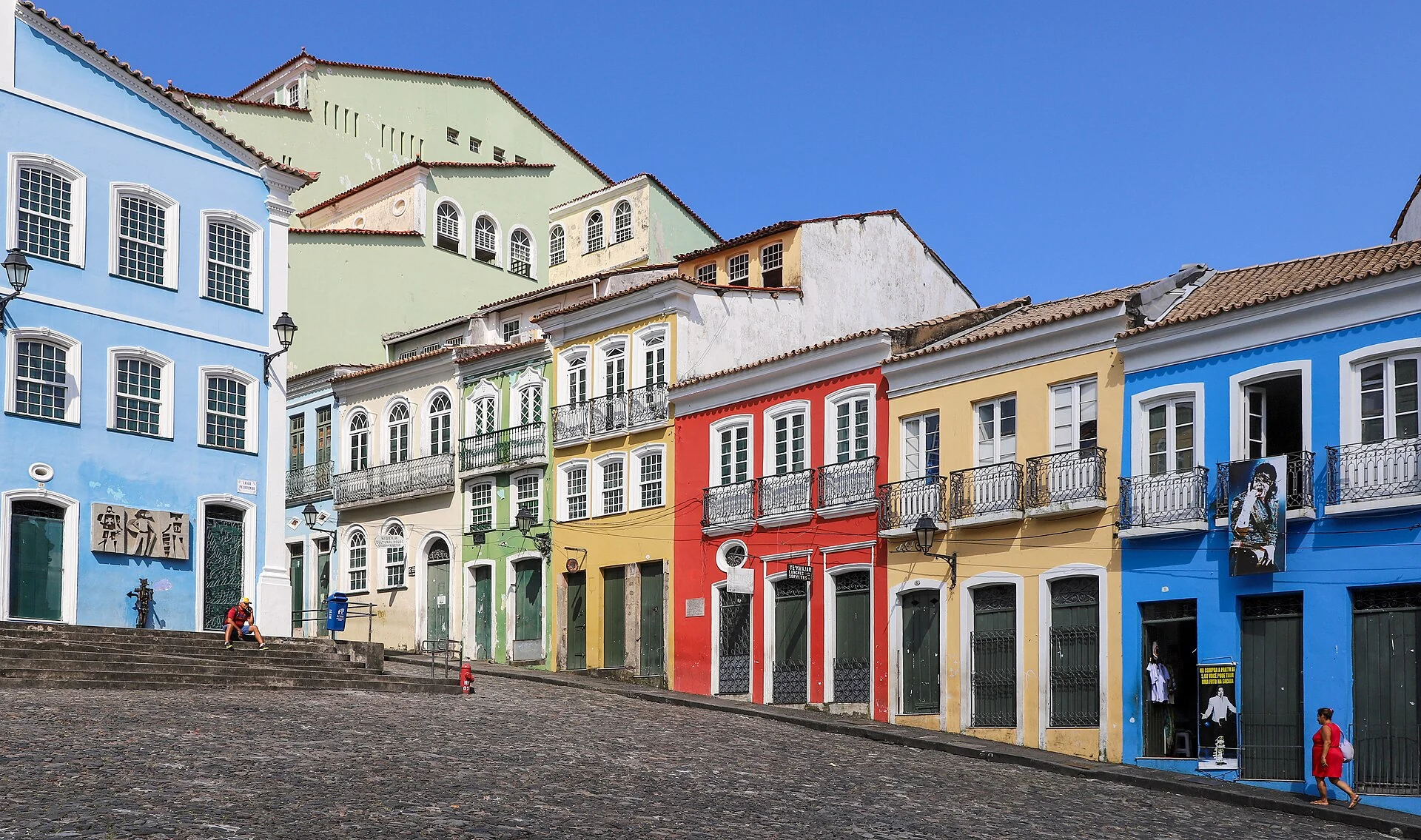
In Pelourinho, also make room for contemporary artists, musicians and craftspeople. Do not reduce cultural encounters to a predetermined tourist scene. For a performance, workshop or religious space, check the event’s purpose and rules of access and photography. If someone wishes to explain their work, listen before asking for a picture or purchase. Cultural identity is not an unchanging performance visitors can order. Choose reliable guiding for the walk and return, checking current conditions and allowing unhurried time.
PROTECTED NATURE
Iguaçu: waterfalls belonging to the forest
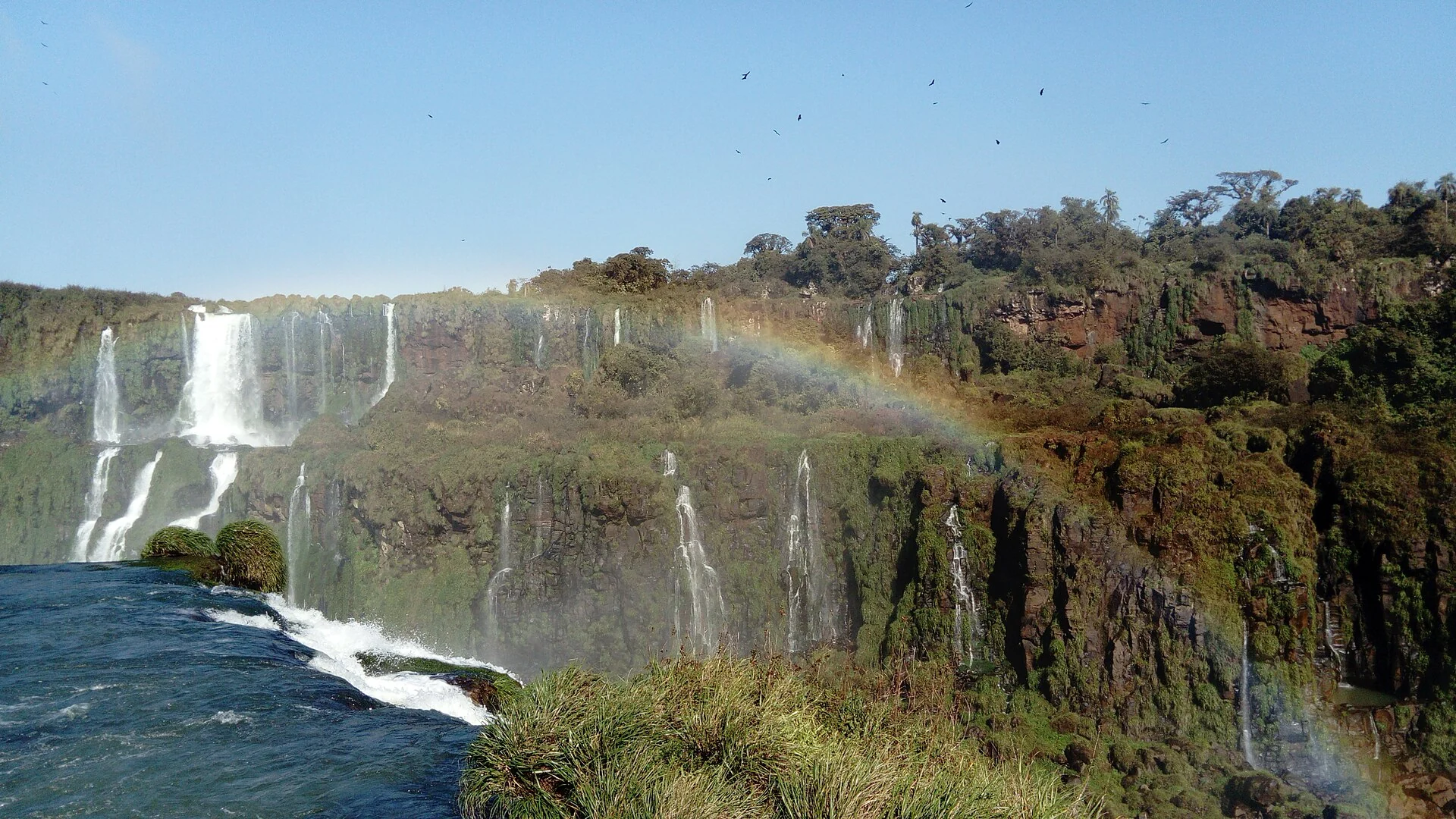
Brazil’s Iguaçu National Park shares its great waterfall system with the Argentine park across the border. UNESCO also highlights rare species and the lush vegetation sustained by water spray. [3] The waterfall view is inseparable from that setting. Pause to notice the forest edge, changes in sound and how water shapes the experience of space. A species list in a park description is not a promise of sightings. Observation must follow conservation rules, without feeding or approaching animals for a better photograph.
The official ICMBio website is a starting point for checking visiting rules and arrangements. [4] Clarify admission, transport and additional activities separately; a park name in a programme does not confirm that all are included. If the plan includes Argentina, check documents, border timing and time for the second visit. Argentine and Brazilian photographs are not interchangeable illustrations of one walk. Prepare clothing and equipment for wet surroundings, and accept barriers and temporary restrictions as part of a real visit.
Different histories within one journey
Salvador’s heritage shows why history needs careful interpretation. Recognising cultural creativity must not erase the violence of colonial trade and slavery. [2] In museums or guided walks, ask whose experience is presented, what the sources are and how the local community participates. Specific questions about power, labour and memory then emerge behind a general phrase about cultural encounters. The city remains a living space for residents, not just a preserved stage of the past.
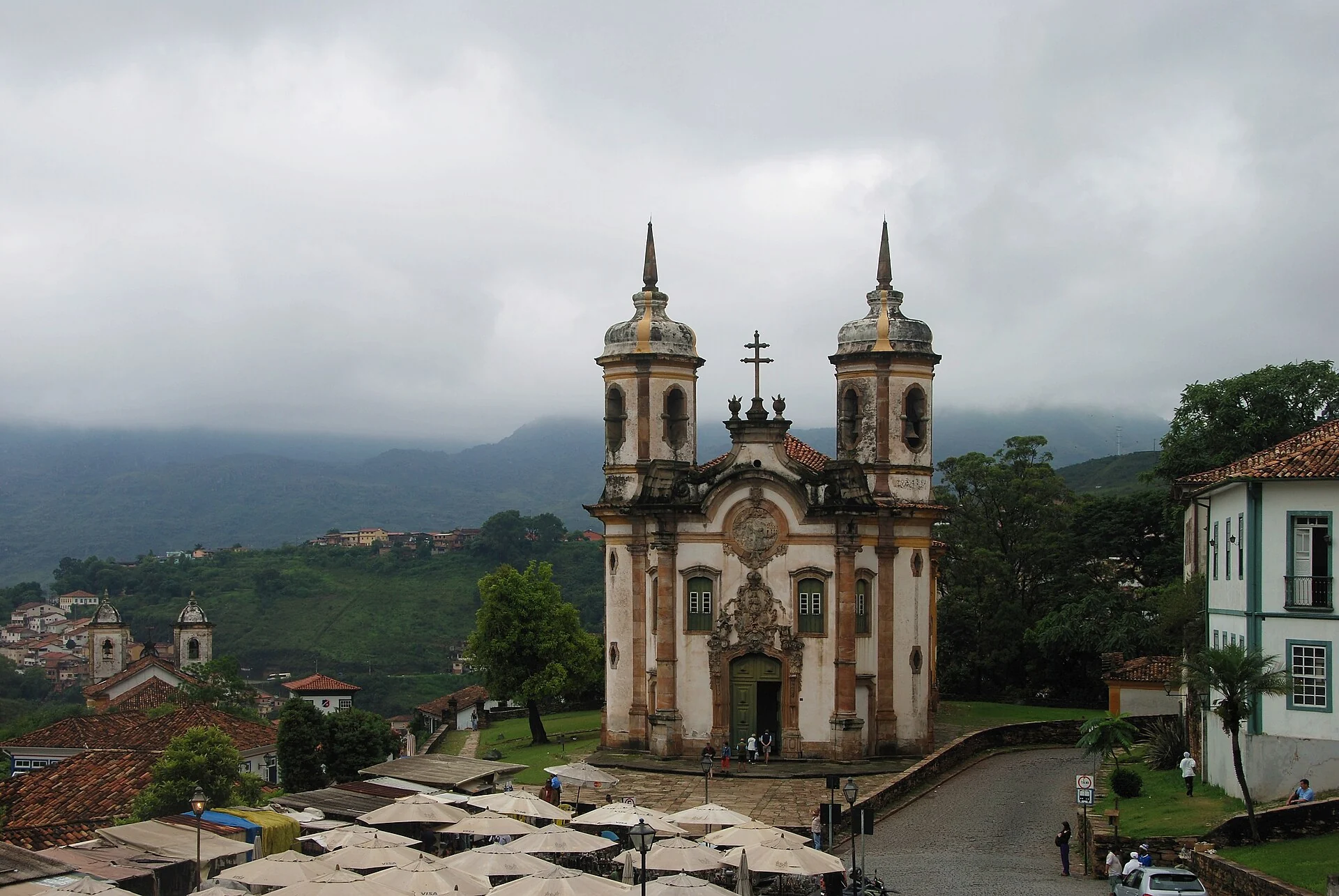
Ouro Preto offers another historical perspective. Founded in the late seventeenth century, the city is associated with the eighteenth-century gold rush; churches, bridges and fountains retain traces of that period, and UNESCO particularly highlights the sculptor Aleijadinho’s work. [5] If art interests you, choose fewer spaces with good interpretation. Do not assume every church has identical visiting arrangements or allows interior photography. A conversation about a detail may offer more than a quick comparison of many façades.
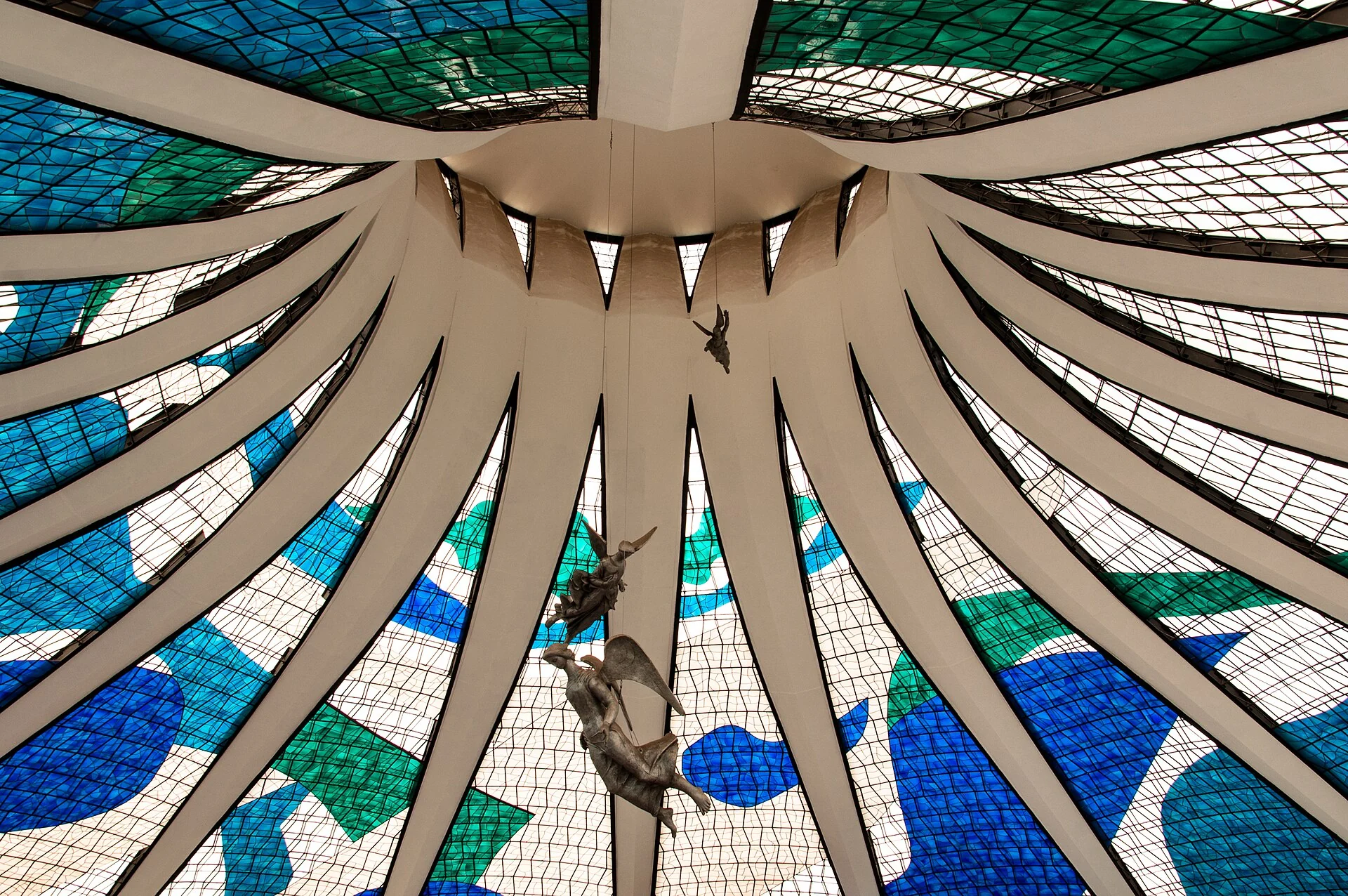
Brasília, by contrast, introduces modern urbanism and the intention to design a city as a connected whole. UNESCO highlights urban planner Lúcio Costa and architect Oscar Niemeyer. [6] This can broaden the cultural framework, but need not be added to every tour. First decide whether modernist architecture, historic cities or nature interest you, then choose activities that speak to one another. Different themes are not a reason to squeeze everything into one short stay.
For music, food and handmade objects, seek particular creators and hosts without generalising that one song, dance or dish represents the entire country. Ask about ingredients and preparation, especially with dietary restrictions. When shopping, learn the material and maker. Seek permission before photographing people and accept refusal. Travellers need not turn every experience into a public image; thoughtful conversation often leaves a clearer memory.
Understanding Brazil begins when the postcard gains context.
DESTINATION PANORAMAS
Brazil in pictures



02 / BEFORE YOU GO
Practical travel information
Complete checks on documents, your route and conditions before making non-refundable bookings. This advice concerns planning, not confirmation of a travel arrangement.
- Documents for Serbian citizens
- Serbia’s Ministry of Foreign Affairs states that ordinary Serbian-passport holders may stay up to 90 days without a visa, subject to purpose and circumstances. [7] Check the current rule, passport and transit before booking. This article does not confirm work, paid activities or an extension of stay. Other passports and crossings into neighbouring countries need separate checks.
- Safety and city movement
- Serbia’s Ministry of Foreign Affairs advises a high degree of caution. [7] Arrange reliable transport, arrival and return, protect documents and valuables, and obtain a local assessment of the particular area. Do not take an unfamiliar approach or trail based on map distance. An attraction’s popularity is insufficient to assess the entire journey to it.
- Health for the actual route
- Health preparation should not be reduced to one recommendation for all of Brazil. The Ministry directs readers to check current health information. [7] Discuss the region, transit and activities with a travel-medicine specialist. Check any certificates for the next country too; do not confuse health-protection advice with a border-crossing rule.
- Flights, bases and baggage
- Check long connections through exact airports, transfer times and ticket rules, not city names alone. Allow buffers after arrivals before non-refundable activities. Clarify what happens if a flight is delayed and whether tickets are connected. Waiting, baggage collection and changing bases also set the pace, not only hours in the air.
- Climate, nature and footwear
- Choose dates for the particular region and activity; there is no single ideal period for every scene shown. Ask for alternatives and realistic limitations in the programme. For forests and wet areas, choose suitable footwear and equipment protection. Follow park-management instructions and check local water-activity conditions separately on the coast.
- Costs and service content
- Check whether the price covers admission, local transport, guiding and additional activities. Do not assume a tasting means a meal or a panoramic tour includes entering a building. This draft does not confirm exchange rates, fees or availability. Adapt insurance to the actual route and activities, with a clear process for obtaining assistance.
This guide does not replace consular information or a confirmed travel programme. Dates, prices, services and the possibility of visiting must be confirmed for each specific arrangement.
Check Serbia’s Ministry of Foreign Affairs guidance

03 / CLEAR ANSWERS
Frequently asked questions about Brazil
What is a good framework for a first trip to Brazil?
Is Rio only a beach destination?
No. UNESCO sees its value in relationships between mountain and urban spaces, coast and cultural life. [1] A viewpoint, walk and cultural activity offer different perspectives, while swimming and other water activities are assessed separately.
Why does Salvador need historical interpretation?
Because preserved buildings and colourful façades belong to the context of a former capital, colonial economy and slavery, as well as cultural creativity. [2] Serious guiding should connect those layers without turning painful history into decoration.
Does a Serbian passport require a visa?
According to Serbia’s Ministry of Foreign Affairs, a visa is not required for stays of up to 90 days under the stated conditions. [7] Check the purpose of stay, documents and transit immediately before booking. A Serbian-passport rule is not universal information for every reader and situation.
Can you simply cross to the Argentine side of Iguaçu?
Are Amazonia and the Pantanal the same experience?
They should not be offered under one general nature label. For every particular area, check the type of stay, access, season, guiding and health preparation. A photograph from one habitat does not confirm what you will see in another; this guide is not a detailed programme for those areas.
05 / FROM INSPIRATION TO TRAVEL
Your journey to Brazil.
There is currently no published active travel programme for this destination.
Tell us whether cities, cultural history, music or natural landscapes appeal most, and how many changes of base you want. A proposal should respect that choice, with clear transfers and health and safety checks. This draft does not confirm dates, tickets, accommodation, admission or a particular natural scene.
FACTS AND CONTEXT
Sources and fact-checking
Sources checked Check practical requirements again before booking.
- UNESCO — Rio de Janeiro ↗ — cultural landscape between mountains and sea
- UNESCO — Historic Centre of Salvador ↗ — first capital, cultural connections and colonial history
- UNESCO — Iguazú National Park ↗ — transboundary waterfalls and biodiversity
- ICMBio — Iguaçu National Park ↗ — official visitor information and park management
- UNESCO — Ouro Preto ↗ — gold rush and Baroque heritage
- UNESCO — Brasília ↗ — urban planning and modernist architecture
- Serbian Ministry of Foreign Affairs — Brazil ↗ — visa requirements and changing practical information