
NORTH AMERICA Destination guide
Mexico, cities holding different times
On one square, a pre-Hispanic trace and a colonial façade open different chapters. Elsewhere, a monumental city plan and Yucatán stone call for another perspective. Mexico is discovered through differences, without reducing every place to one ancient story.
Explore the guideAT A GLANCE
Why discover Mexico?
Mexico rewards discovery through the capital’s urban layers, Teotihuacan’s monumental plan and the Maya heritage of Chichén Itzá. [1][2][3] These places belong to different histories: Teotihuacan was not built by the Aztecs, and Mexico City and former Tenochtitlan are not the same as a distant complex in Yucatán. Planning makes more sense when you clarify the theme first, then choose suitable bases, transport and time for interpretation. This guide is neither a confirmed offer nor a promise of access to every building shown.
01 / PLACES THAT SHAPE THE JOURNEY
What to see in Mexico
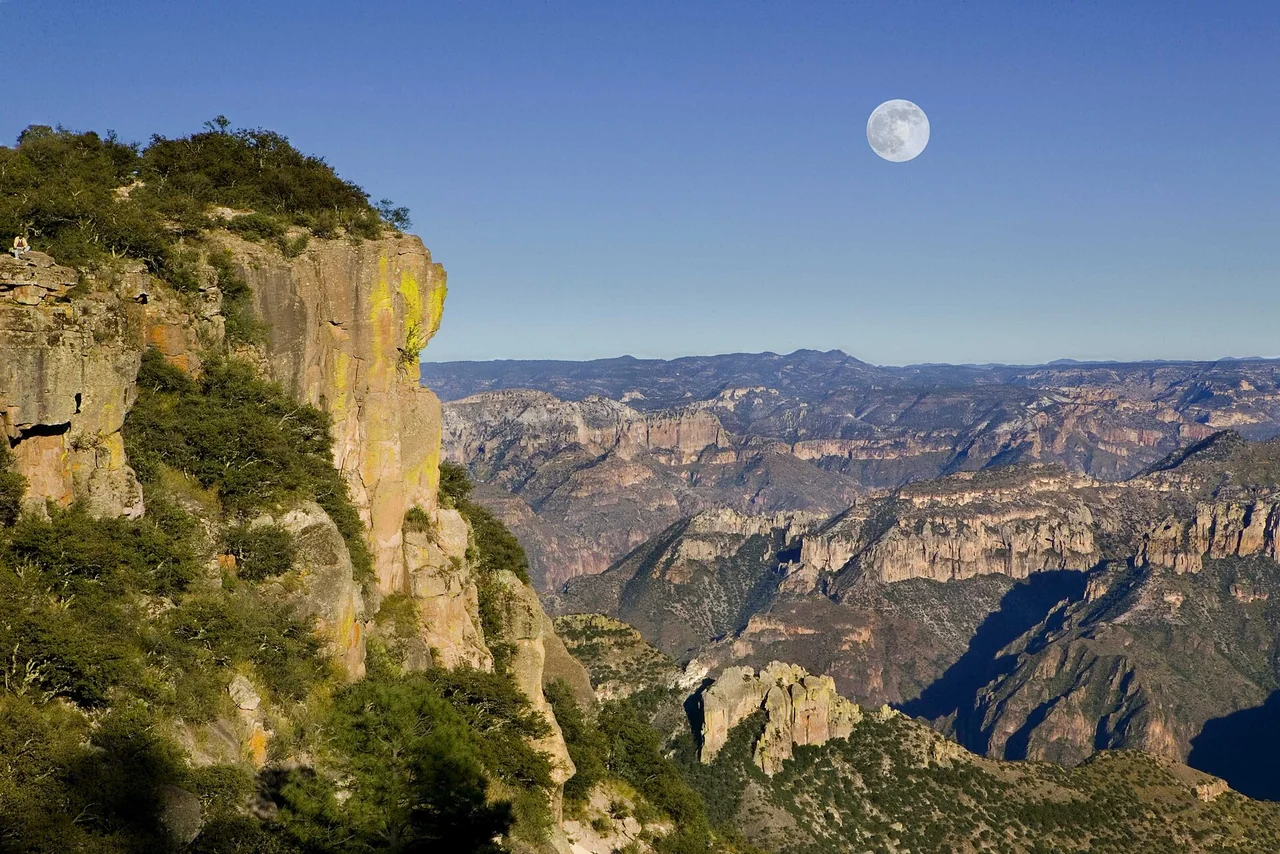
Begin with what you want to understand: urban development, archaeology, crafts or nature. The capital and Yucatán do not become a simple combination merely because they share a country. Check how much time actually goes on transport and what remains for visits. A good plan leaves room for walking, conversation and rest instead of presenting every base change as another full sightseeing day. The photographs show the country’s breadth; they are not a ready-made itinerary and do not require every trip to include every theme.
URBAN HERITAGE AND CULTURAL LANDSCAPE
Mexico City: history below and above the street
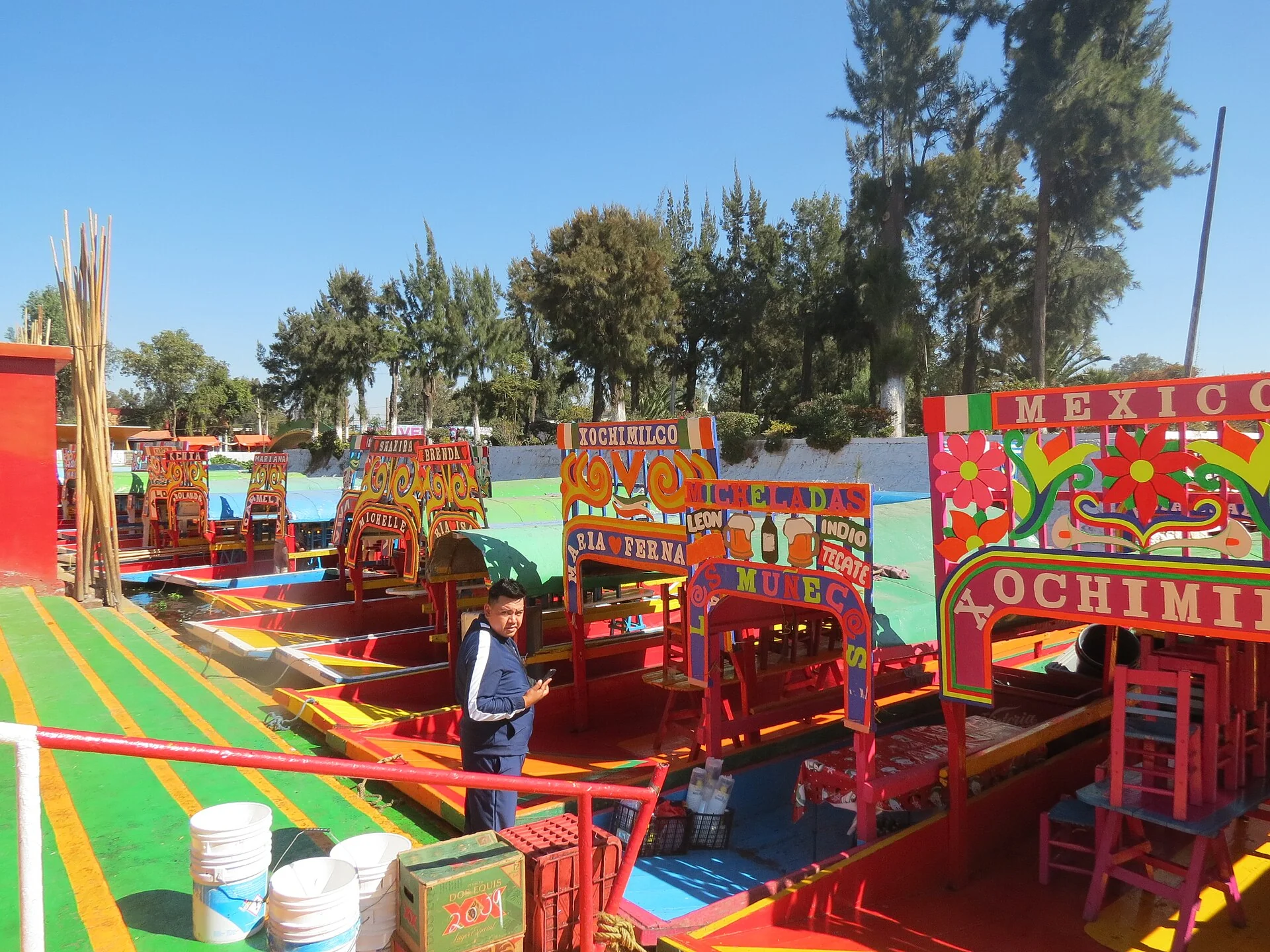
Mexico City’s historic centre developed on Tenochtitlan’s remains, while the same UNESCO inscription recognises the different landscape of Xochimilco, with canals and artificially formed islands. [1] These offer two useful readings of relationships between city and space. In a square, notice how periods become visible through materials and building uses; beside canals, consider work, maintenance and adaptation to the environment. Calling an older layer a ruin and a later one a façade is insufficient: both need explanation of the people and systems that shaped them.
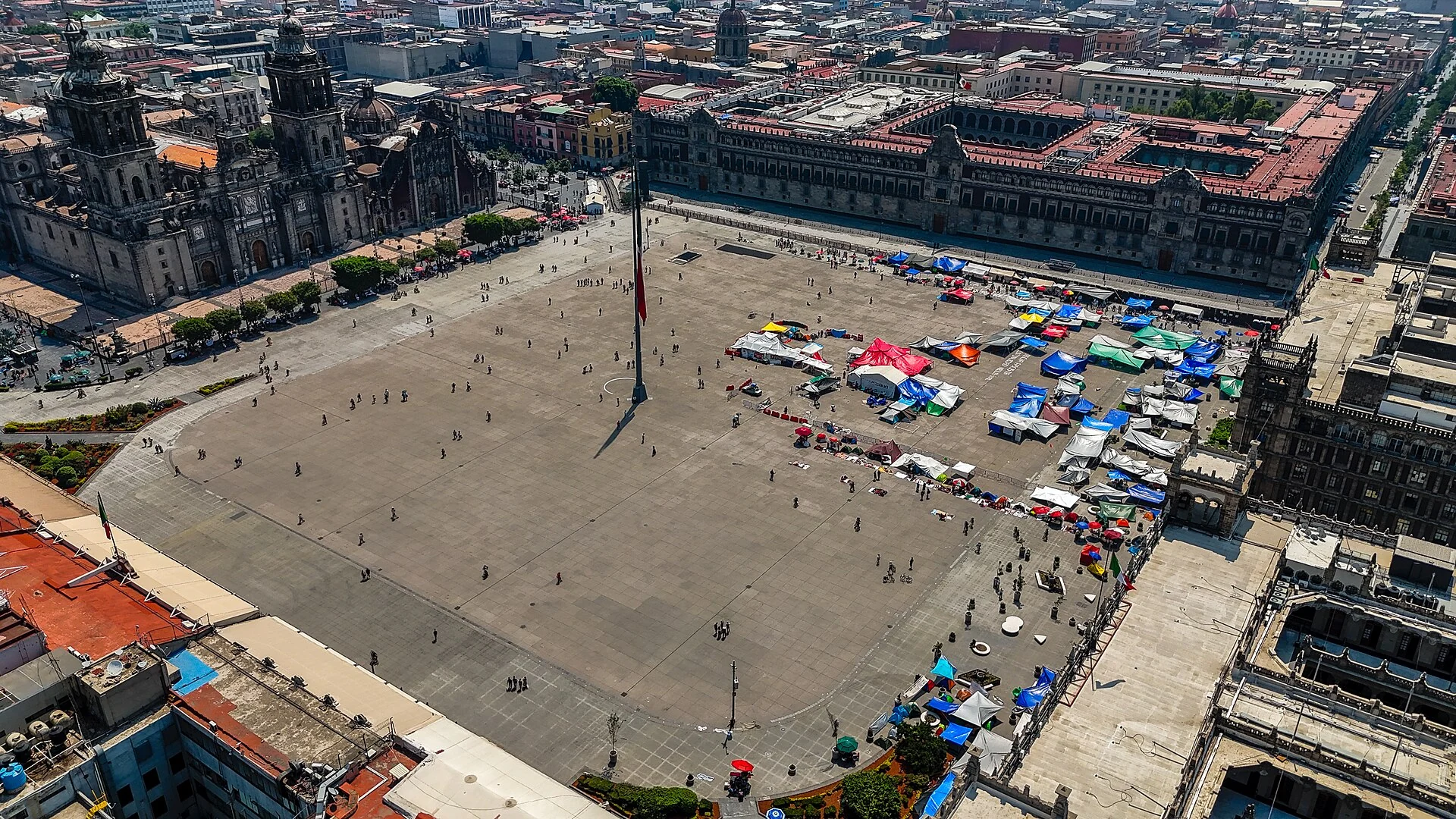
Divide a city day into a few meaningful sections, with transport checked in advance. In museums, seek object context and distinctions between cultures, not just striking exhibits. For Xochimilco, check the exact visit and who leads it; a cultural landscape need not mean the same entertainment programme for every group. Seek consent before photographing people and workshops. A contemporary exhibition, bookshop or conversation with an artist can complement historical visits without expecting one walk to explain the whole capital.
ARCHAEOLOGY AND URBAN PLANNING
Teotihuacan: a monumental city with its own civilisational story
Teotihuacan was built between the first and seventh centuries AD and should not be presented as an Aztec-era city. UNESCO highlights its monumental plan and influence in Mesoamerica. [2] Instead of treating the Pyramids of the Sun and Moon as two isolated objects, follow the arrangement of space and relationships between major buildings. A broad perspective helps explain an organised city. Ask your guide what archaeological findings confirm, what has been reconstructed and where professional interpretations remain open.
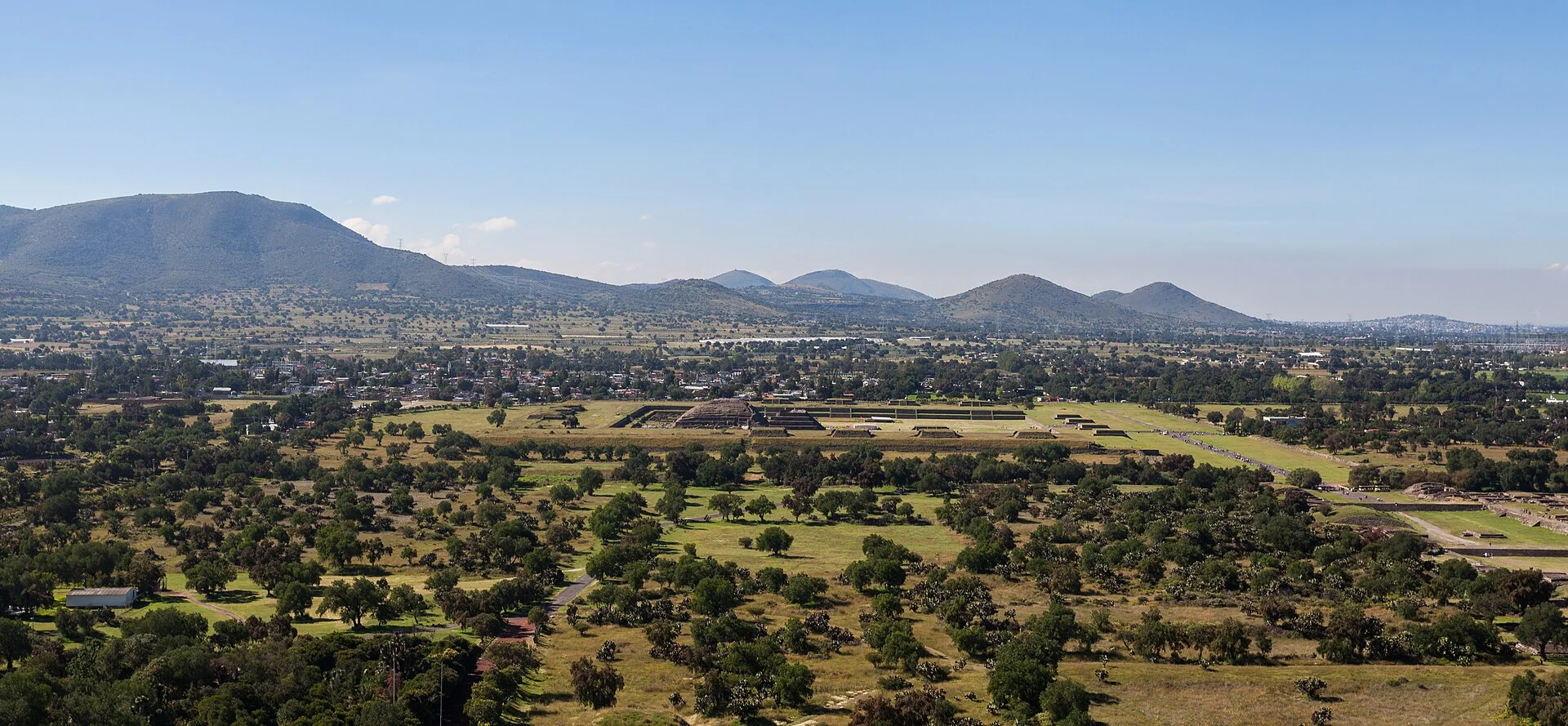
Official INAH materials also present residential complexes and mural painting, so a visit need not end at the most famous pyramids. [5] Check areas actually accessible, required exertion and movement rules. Do not assume climbing or special access from an old photograph. Schedule outdoor time, rest and sun protection before arriving. If considering an additional activity sold by another organiser, clarify its separate responsibility, content and conditions; proximity to the site does not make that service part of its official visit.
MAYA HERITAGE IN YUCATÁN
Chichén Itzá: different purposes in a stone city
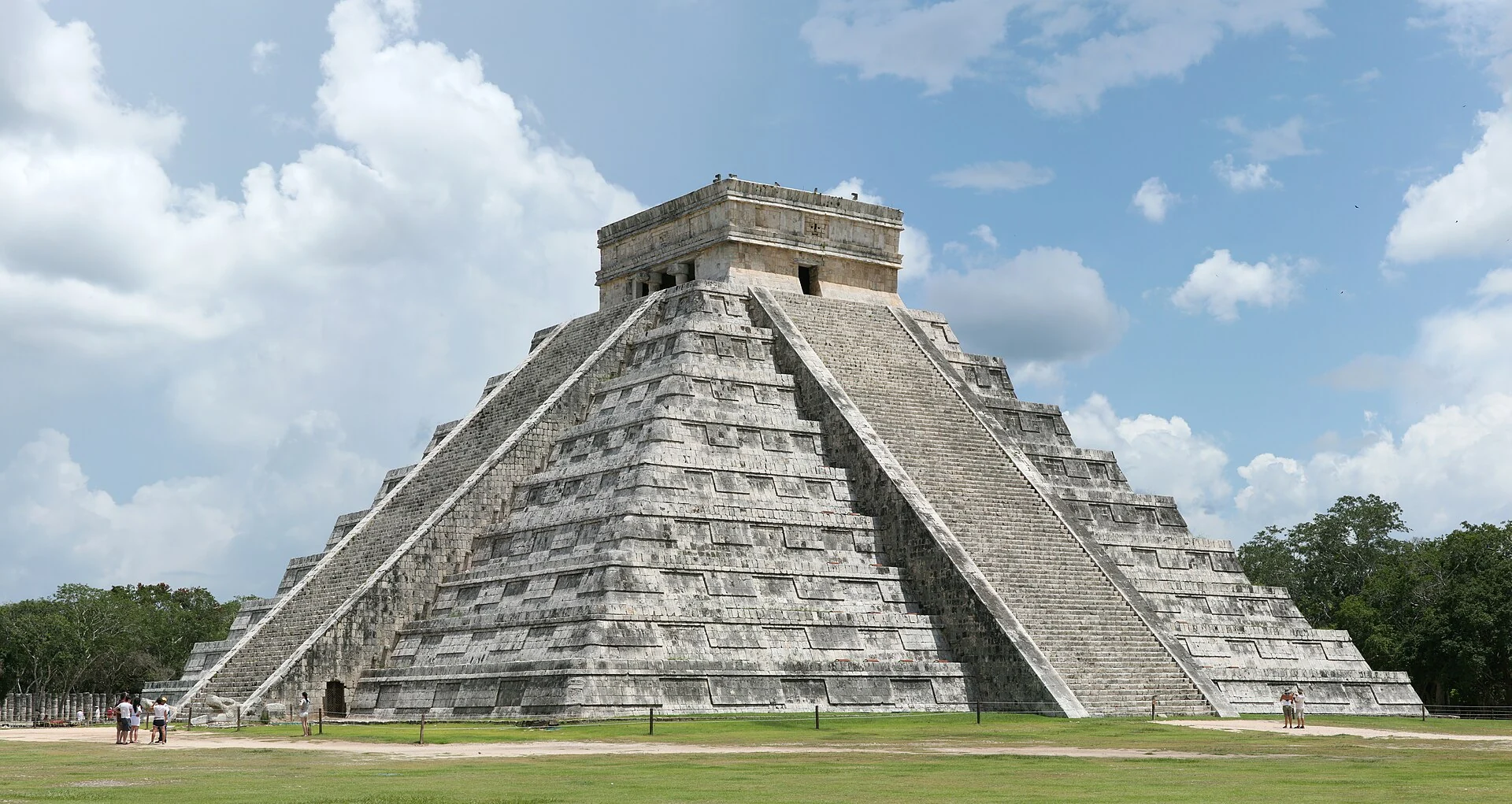
Chichén Itzá is a major Maya centre in Yucatán, shaped over a long period and by different cultural influences. UNESCO identifies El Castillo, the Temple of the Warriors and El Caracol as important examples. [3] These should not be interpreted merely as objects to photograph. Notice positions, relationships between open spaces and different building functions. Even an established broad historical framework does not mean every detail has a simple, final explanation. A guide who clearly states the limits of knowledge often helps more than a story with a spectacular answer to everything.
Before visiting, check current INAH information, admission arrangements and the particular service’s content. [6] Do not promise interiors, climbing or a particular light effect merely because it appears in promotional footage. Prepare a realistic outdoor pace and rest options. Separate buying crafts from archaeological interpretation: ask the maker and material without assuming every object near a site represents an old technique or local community work.
Different cultures, colonial layers and today’s creators
Teotihuacan, Tenochtitlan and Chichén Itzá are not three names for one historical world. Keeping them distinct preserves basic travel accuracy. [1][2][3] Ask your guide about chronology and the region to which an object or building belongs. The general label ‘ancient’ can conceal more than it explains. A travel journal is more useful when it records differences and new questions rather than merging everything into one great, simple story of the past.
In the capital, older remains and colonial development share the same urban space. [1] A visit can discuss destruction, adaptation and changing uses, as well as how heritage is presented today. Ask whose work and knowledge are visible in a museum and whose experience is missing from a short account. A historic building is not only evidence of a former style: it also hosts contemporary decisions about restoration, access and public memory.
Prepare a craft encounter as a conversation with a particular creator. Ask about materials, processes, working time and how knowledge is passed on. Do not judge value solely by an old-fashioned appearance. For a workshop, check whether you participate, watch a demonstration or mainly enter a sales space. None is inherently wrong, but content should be clearly named before becoming an expectation.
Approach food with room for variety: ask about ingredients and preparation, explaining allergies and restrictions in advance. Photographing rituals, people or private spaces is not an automatic visitor right. Ask what hosts want to share and accept boundaries without negotiating them. Travel can be rich without claims of witnessing something hidden or unique. An accurate account of a real encounter is worth more than invented exclusivity.
Different histories become clearer when their names remain distinct.
DESTINATION PANORAMAS
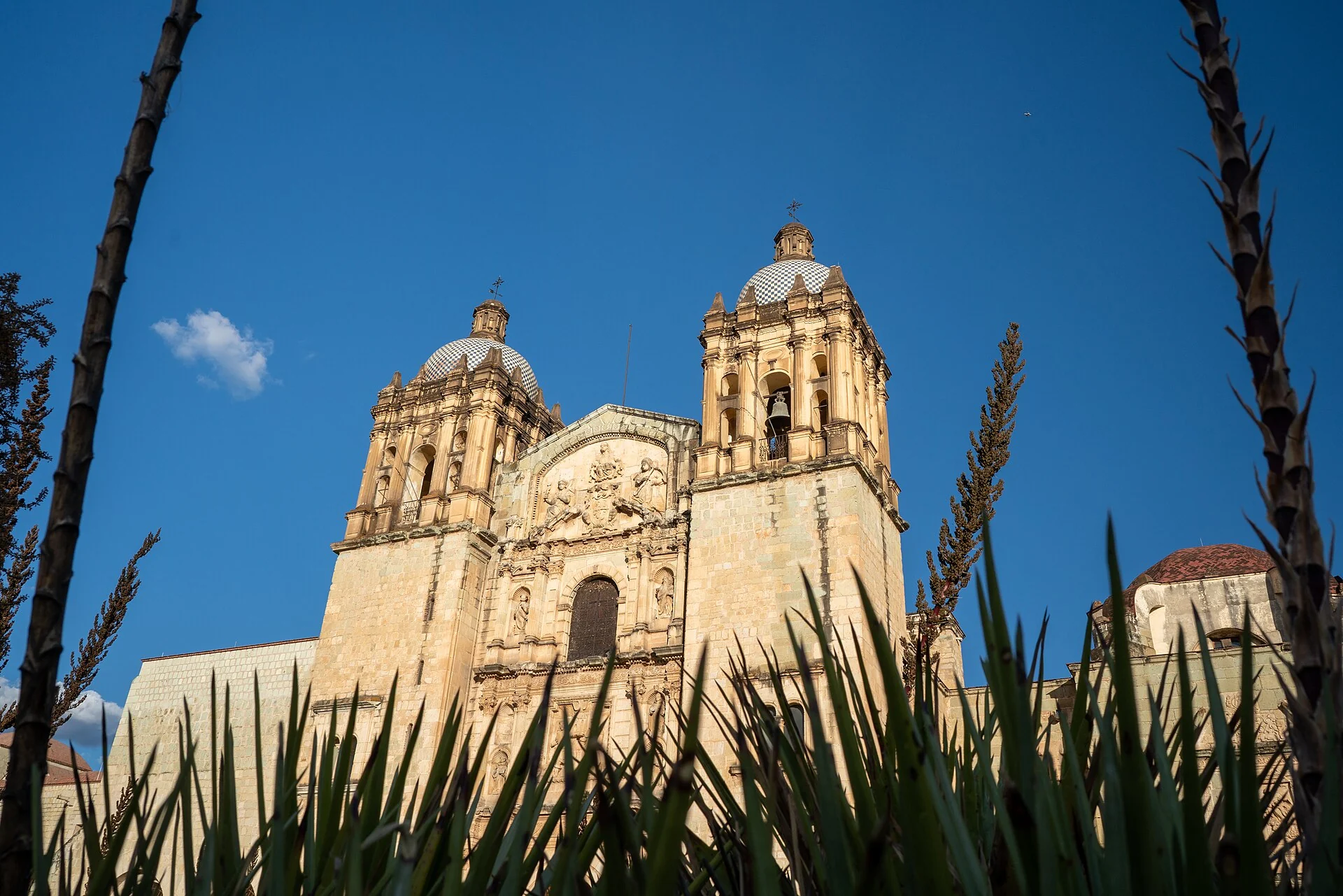
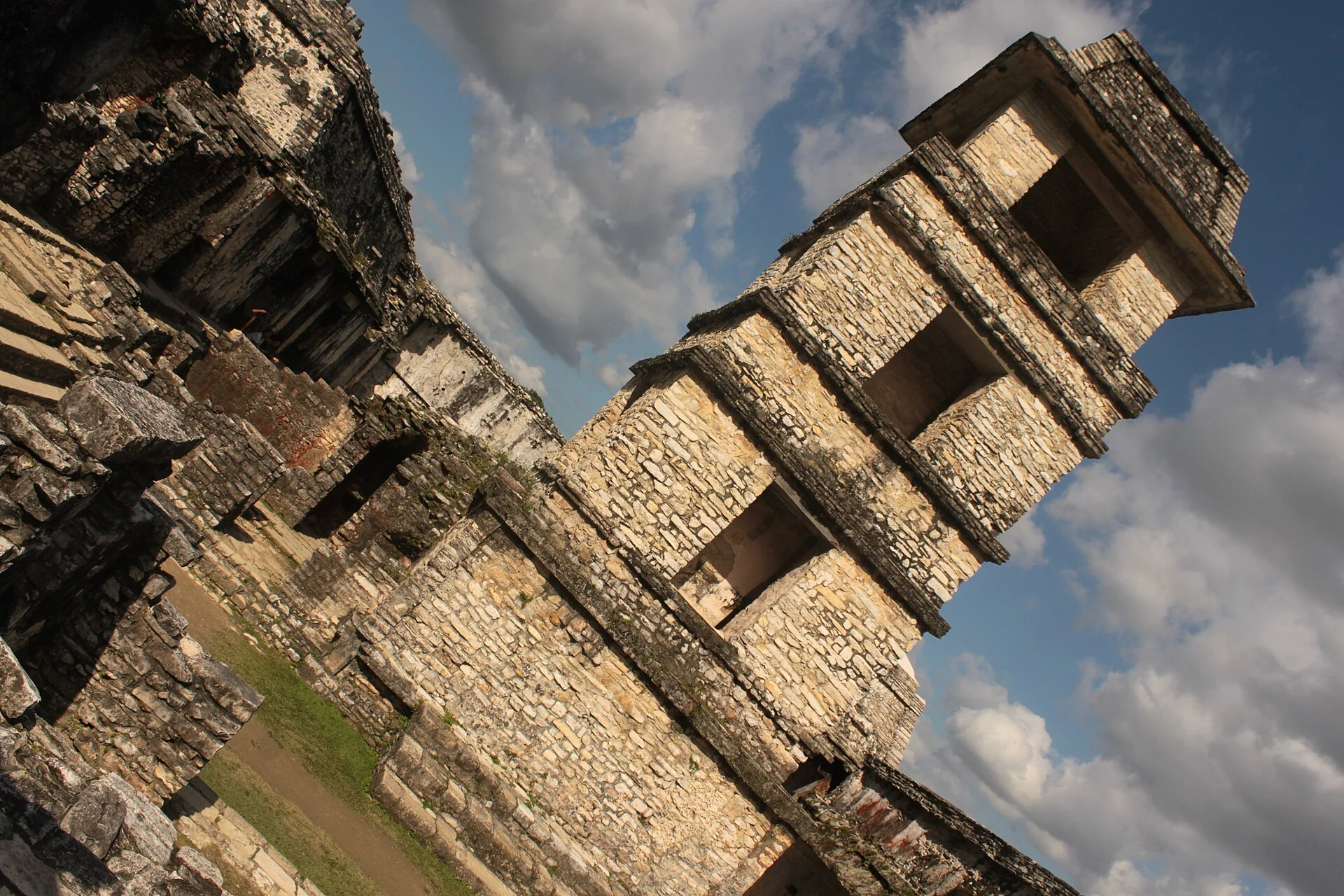
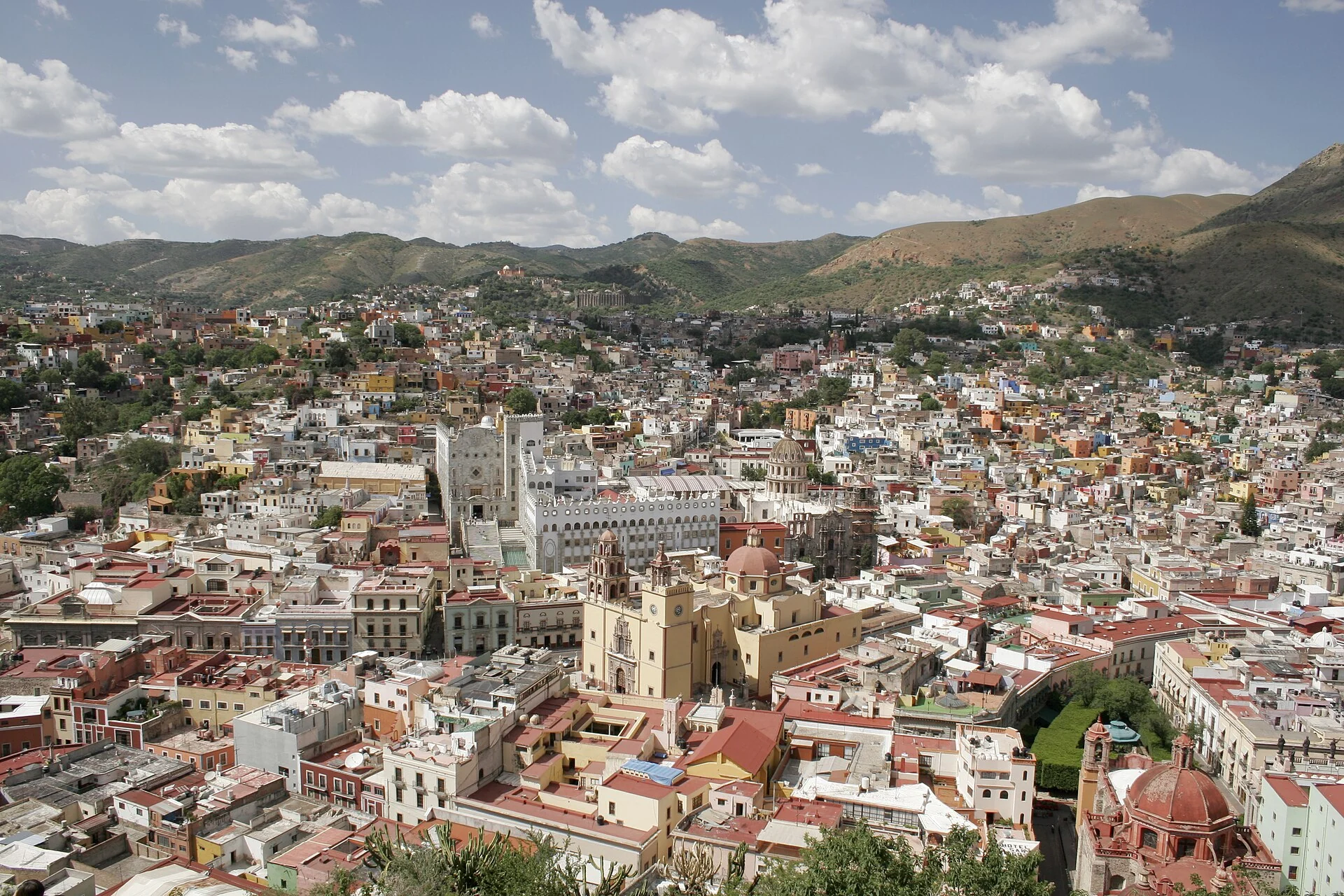
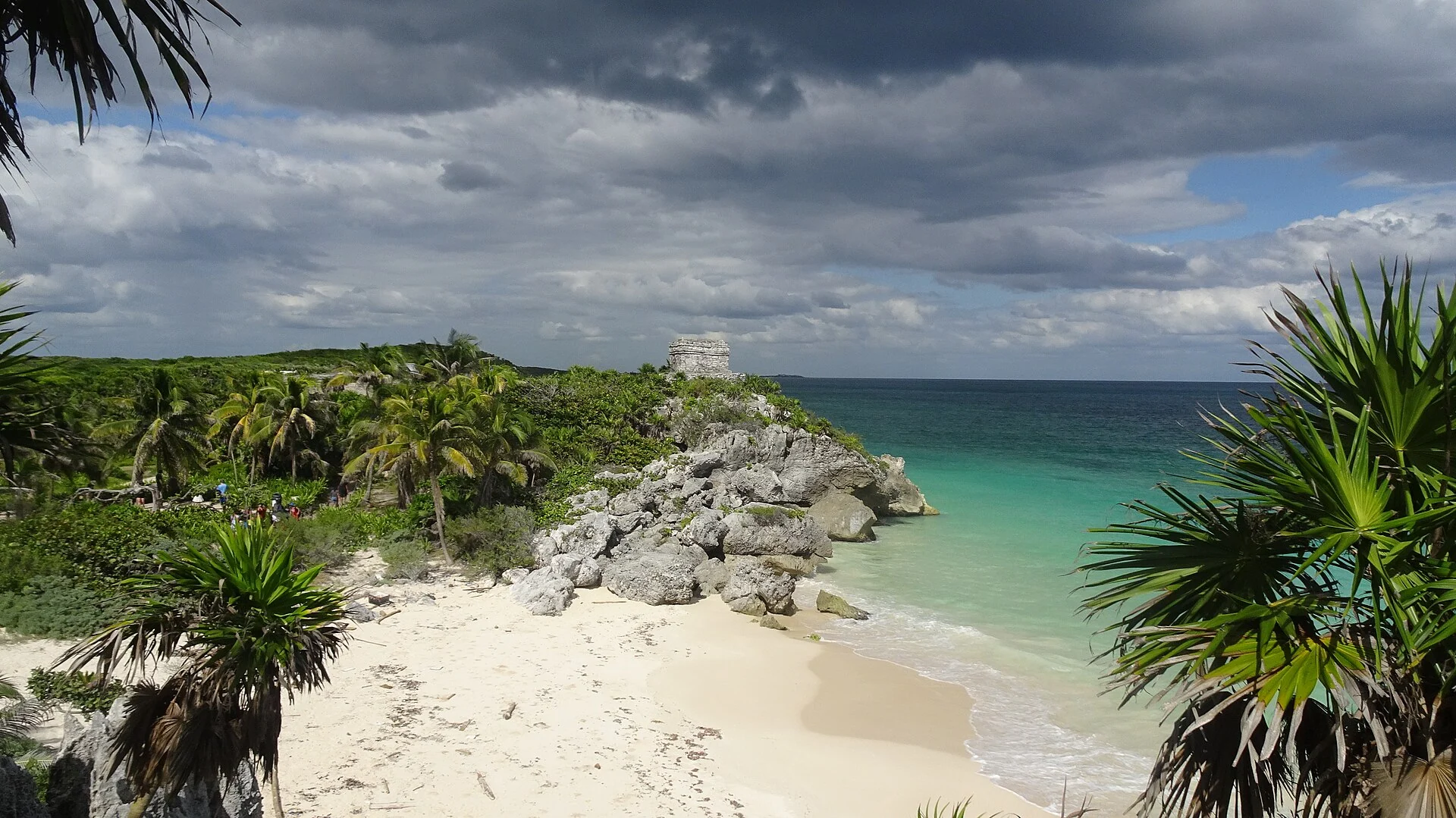
Mexico in pictures


02 / BEFORE YOU GO
Practical travel information
Complete checks on documents, your route and conditions before making non-refundable bookings. This advice concerns planning, not confirmation of a travel arrangement.
- Visa and limited exemptions
- Serbia’s Ministry of Foreign Affairs states that ordinary Serbian passports require a visa, with precisely limited exemptions for particular documents and statuses. [4] Do not interpret them as a universal right of entry. Check your circumstances with the Mexican Embassy before non-refundable bookings, including transit and purpose of stay. Temporary and permanent residence are not interchangeable terms.
- Documentation before departure
- Check your passport, evidence of travel purpose and all conditions required by the authorities. A visa or possible exemption does not remove entry checks. [4] Seek separate information for travel with minors and other special circumstances. This guide does not confirm a visa, entry or completed consular procedure.
- Safety and transport choices
- Check current advice for the particular Mexican states and every leg, not merely the country name. Choose reliable transport and local support for arrival, return and base changes. Do not select an overnight or remote leg only for a lower price. An archaeological site’s popularity does not describe conditions along the entire approach.
- Admission, protection and exertion
- Use official INAH information for Teotihuacan and Chichén Itzá. [5][6] Clarify admission, guiding and additional services separately. Follow current trails and restrictions without assuming an older photograph confirms access today. Adapt outdoor activities to exertion, weather and your abilities.
- Health preparation for the route
- Arrange preparation with a travel-medicine specialist for the actual places, transit and activities. Maintain regular medication and understandable insurance cover. Seek reliable local and specialist information on water, food and water activities. A city walk, mountain activity and coastal stay are different health and organisational situations.
- Budget and the day’s actual content
- Ask offers to separate admission, transport, meals, guiding and supplements clearly. For domestic flights, check exact airports and baggage rules. A workshop visit or tasting does not automatically mean a meal or hands-on participation. This draft publishes no exchange rates, fees or availability; everything is confirmed for a particular date.
This guide does not replace consular information or a confirmed travel programme. Dates, prices, services and the possibility of visiting must be confirmed for each specific arrangement.
Check Serbia’s Ministry of Foreign Affairs guidance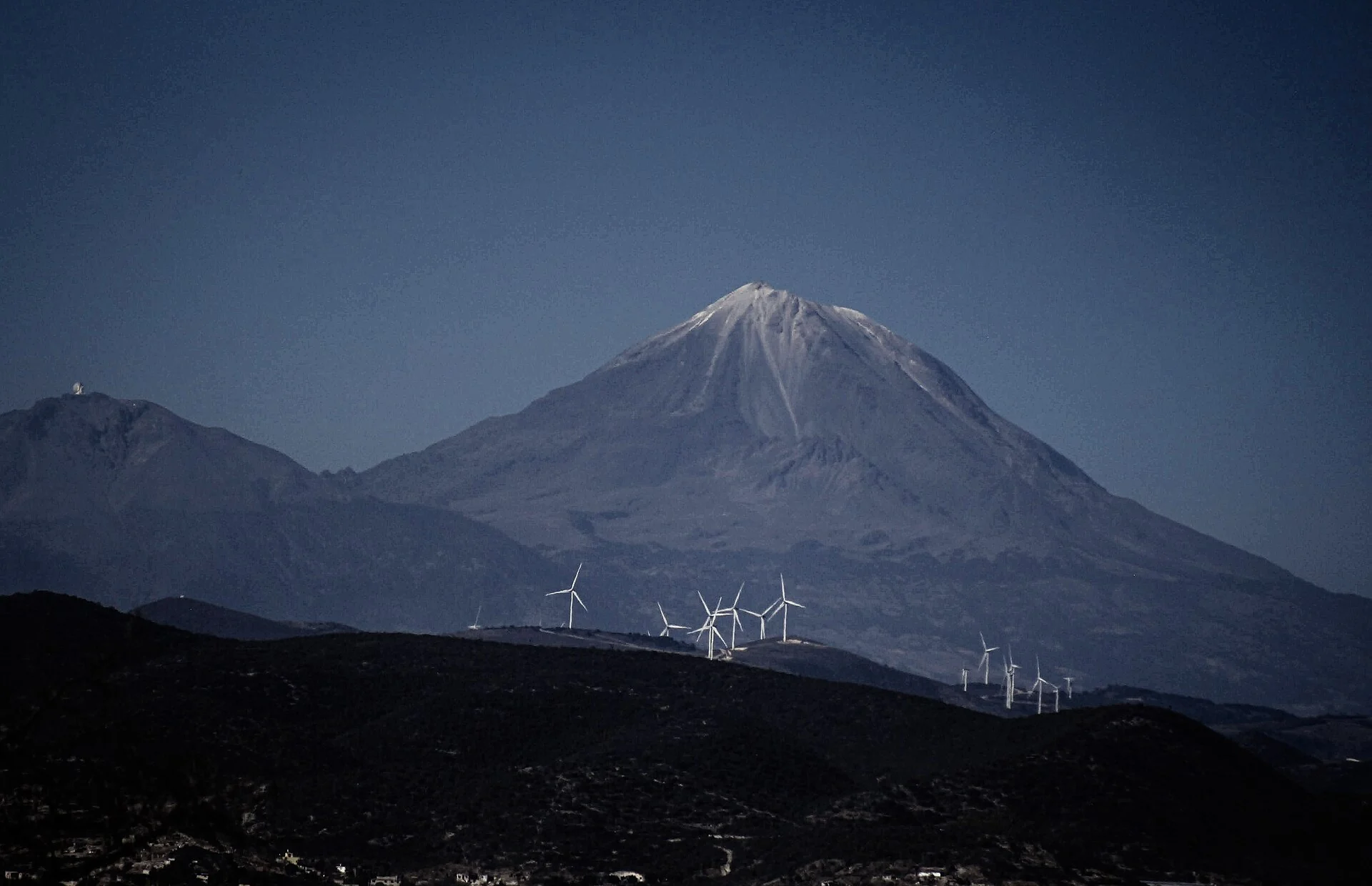

03 / CLEAR ANSWERS
Frequently asked questions about Mexico
Did the Aztecs build Teotihuacan?
It should not be presented that way. UNESCO dates its construction between the first and seventh centuries AD. [2] This guide distinguishes it from Tenochtitlan and the capital’s later historical layers. This is an important initial distinction for understanding Mesoamerican history.
Is Xochimilco only a recreational boat trip?
Its cultural value includes canals, formed islands and adaptation of space. [1] Visits can vary. Before booking, check what you do, who leads and whether you want cultural interpretation, recreation or another clearly specified format.
Does every Chichén Itzá ticket include all areas?
Do not assume so. Check current arrangements and available activities with INAH and the particular organiser. [6] Climbing, building interiors and special programmes are not automatically included in the general name of a visit.
Do Serbian citizens need a visa?
Serbia’s Ministry of Foreign Affairs states that an ordinary passport requires one, subject to certain limited exemptions. [4] Check your document and status with the relevant representation before booking. The rule is not universal for every traveller, nationality or purpose of stay.
Can the capital and Yucatán be visited without much transport?
That combination requires real checks of connections and time. Bases, airports and additional transfers determine how much remains for visits. Do not accept a schedule solely on the number of famous names; request a developed day with room for rest and changes.
Do the photographs represent a confirmed programme?
No. They show different locations and moments for cultural discovery. Travel is confirmed separately through dates, services, transport, documents and current access conditions. One tour need not include every scene in the gallery.
05 / FROM INSPIRATION TO TRAVEL
Your journey to Mexico.
There is currently no published active travel programme for this destination.
Tell us whether archaeology, historic cities, original crafts or nature interest you most. This provides a basis for discussing realistic bases and pacing. Visas, admission, transport and availability require separate confirmation; this editorial draft is not a departure, booking or final offer.
FACTS AND CONTEXT
Sources and fact-checking
Sources checked Check practical requirements again before booking.
- UNESCO — Mexico City and Xochimilco ↗urban and historical layers
- UNESCO — Chichén Itzá ↗Maya centre and monumental architecture
- UNESCO — Teotihuacan ↗first–seventh-century dating and urban plan
- Serbian Ministry of Foreign Affairs — Mexico ↗visa requirements and limited exemptions
- INAH — Visiting Teotihuacan ↗official visit planning and available attractions
- INAH — Chichén Itzá ↗archaeological context and access checks